Brainiac Tunes
My first app was taken off the Play Store because I missed an email.
Before that, it had won first rank in a university competition, gone live for anyone to download, and appeared on posters across campus that nobody had approved.
It was called Brainiac Tunes, and it was the first app I could honestly say worked.
A very small project
The Mobile App Competition was organised by Continuing Education Programs at Parul University. My entry was built around binaural beats.1
The app did two simple things. You could listen to beats to help you get more done, and you could post a quote of the day. There were six beats to choose from: Study, Focus, Relax, Sleep, Memory Power and Mood Enhancer.
It was a very small project. But it was the first app I made that worked well enough to share with my friends.
Most of the work was the UI
The features were simple, so I put most of my effort into how the app looked and felt.
It opens on a meditating pineapple, asks for your nickname, lets you pick an avatar, and then greets you by name. Every beat gets its own card and its own 3D character.
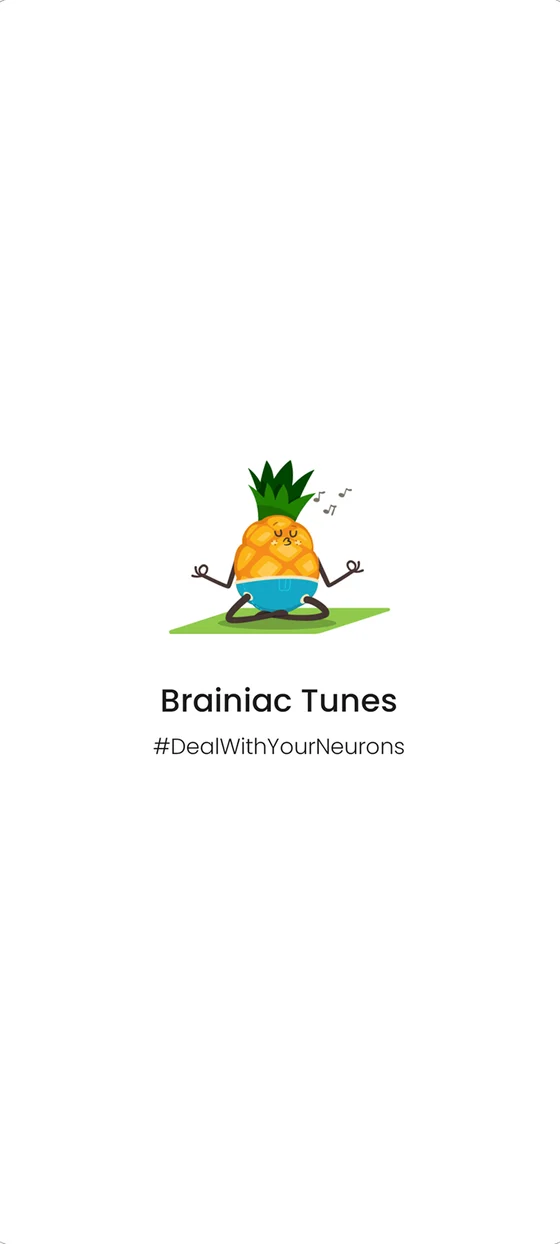
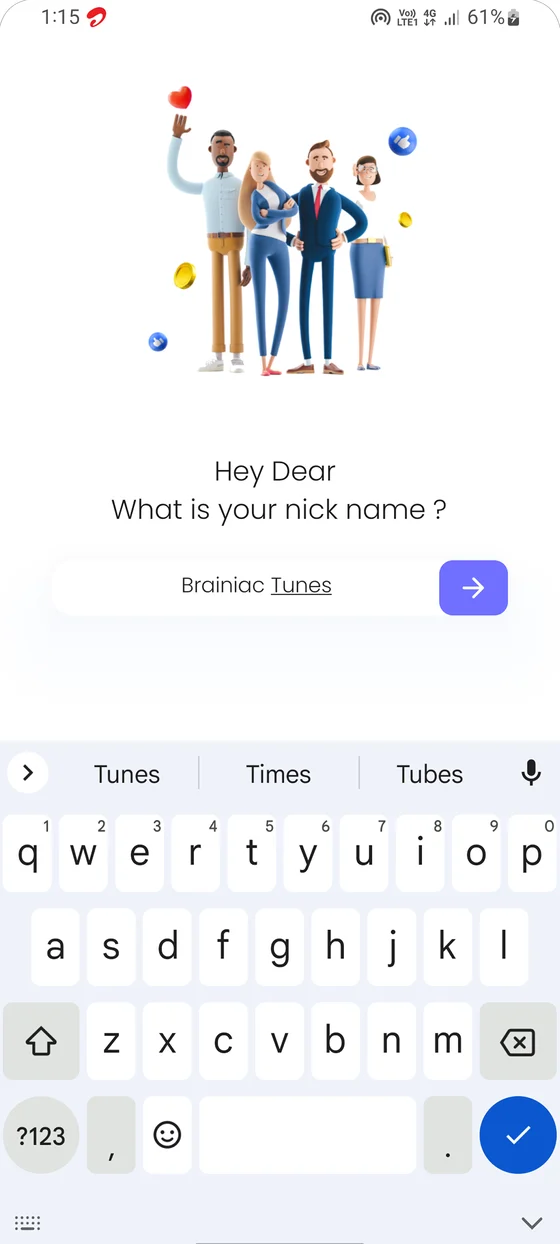
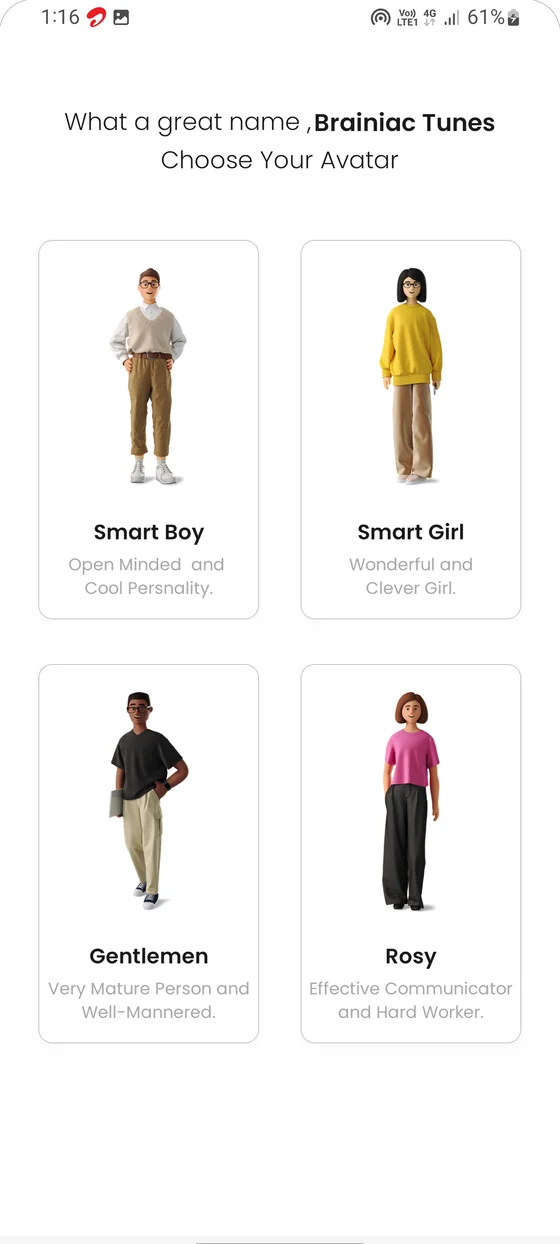
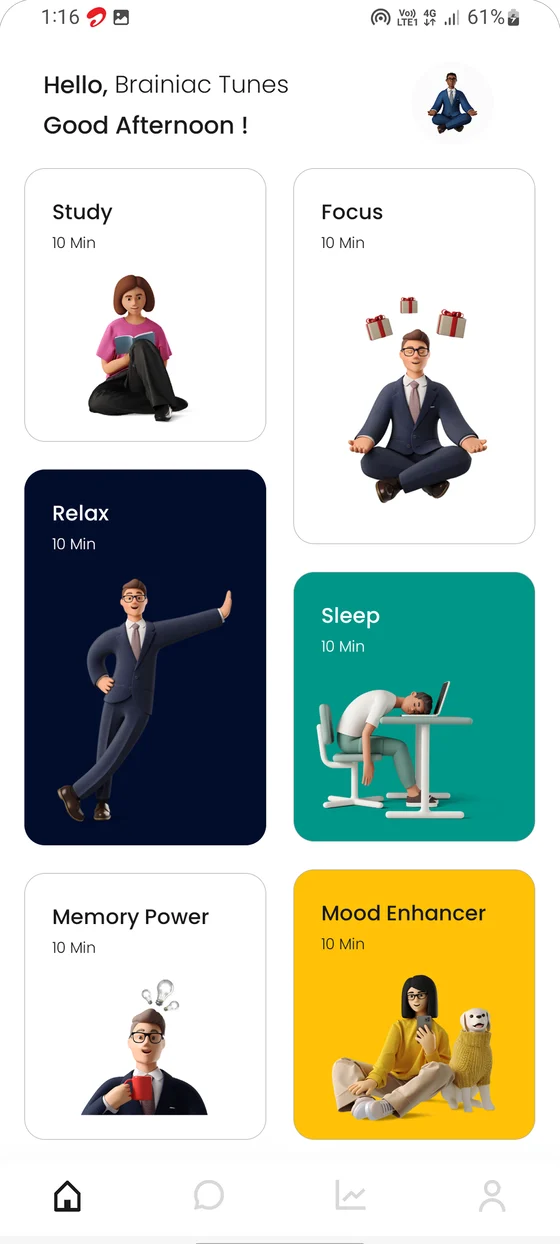
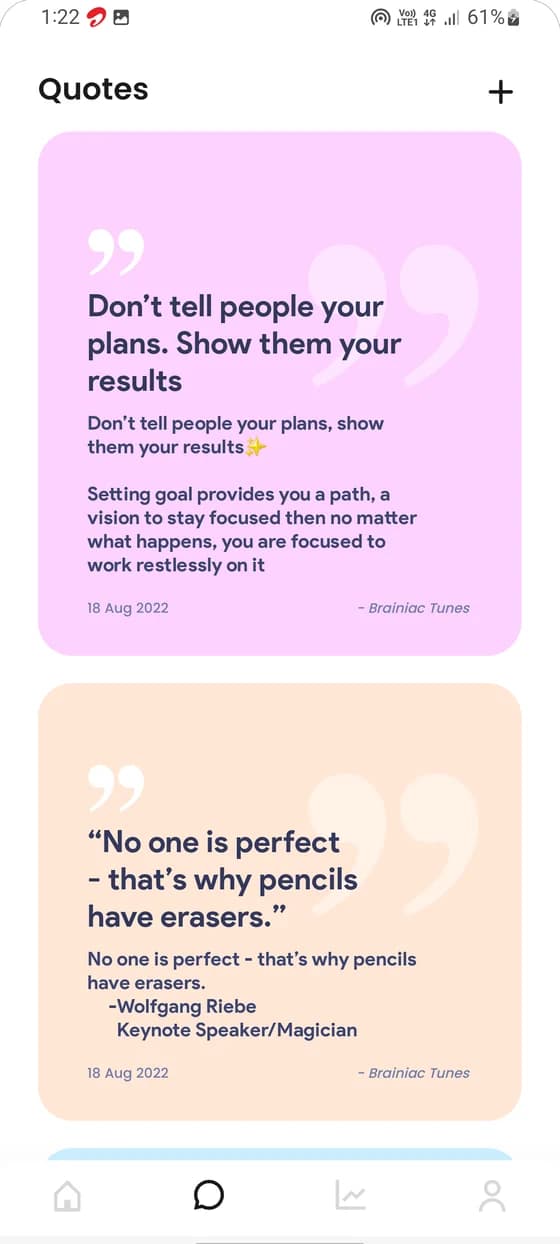
Here is the design behind those screens.

First rank
On 26 August 2022, Brainiac Tunes secured first rank in the competition. I then published it on the Play Store, and the university's Centre for Continuing Education congratulated me for publishing my first app.
Marketing, my way
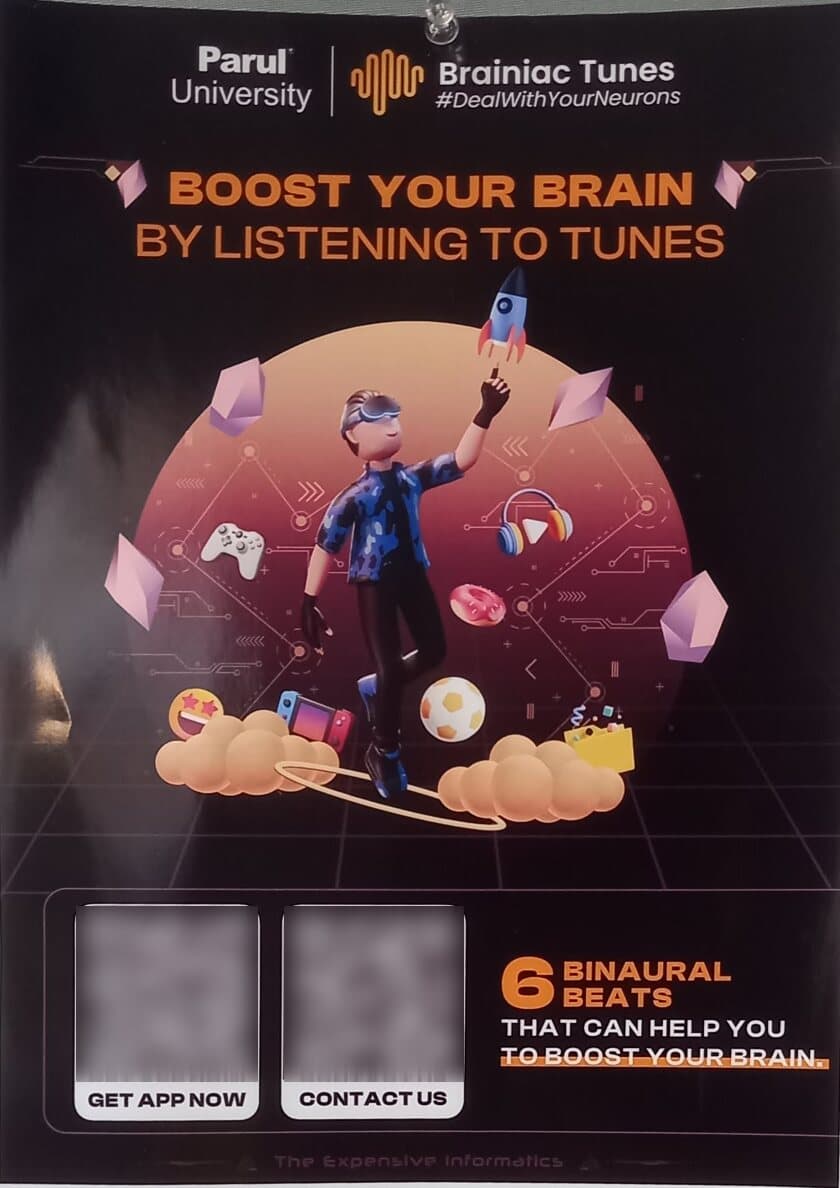
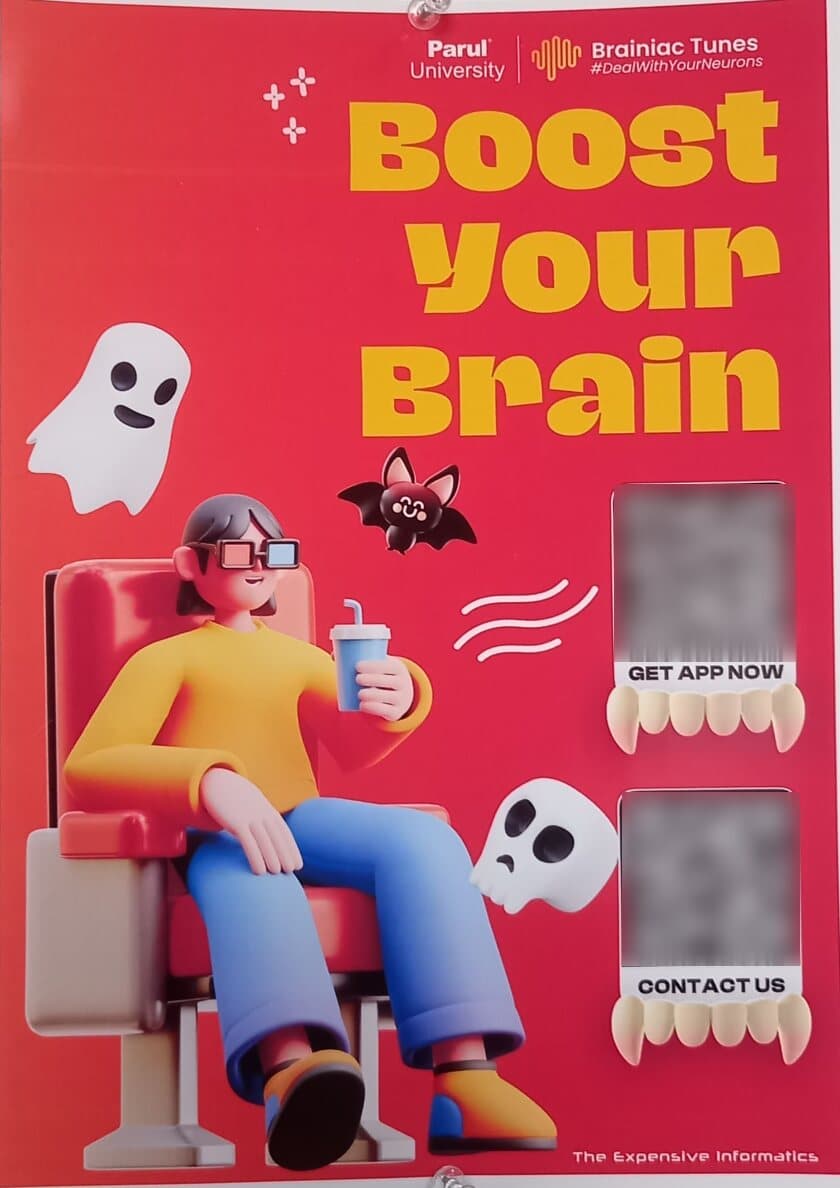
An app on the Play Store still needs people to find it. So I put posters up across the entire university, with a QR code to get the app. Nobody had given me permission.
One missed email
Then the Play Store updated its policy and emailed me about it. I missed the mail, and Brainiac Tunes came down.
The project still taught me a lot: how to build an app from start to finish, how Play Store policies work, and how to make one design hold up across different devices.
The app left the Play Store. What it taught me stayed.
Footnotes
A binaural beat is what you hear when each ear gets a slightly different tone. Your brain picks up a slow pulse that neither ear is actually playing. ↩