Solving for India
We treated the hackathon as a purely technical thing. That's why we lost in Pune. But it was our first real hackathon, and we got to Pune by coming first at our university.
I had tried to take part in hackathons before, but college exams always got in the way. This was the first one we actually made it to.
Four, in the last hour
Smita Chauhan and I are friends, and she was the one who brought me the news: GeeksforGeeks was running the Solving for India Hackathon, with Google Cloud and AMD. We decided to enter. Then we read the rules. A team needed four people, and we were two.
We asked Prashant Sahatiya sir, who taught our Java Android development crash course and became our mentor for the hackathon. He suggested a few names. In the last hour of registration, Harsh Surani joined us, and Hardik Sarvaiya, Smita's friend, made four.
ResQme
We built ResQme, an Android app for health guidance and SOS emergencies, in Java with Firebase.1
Its main feature was the emergency call. You saved someone close to you, kept the app open and locked your phone. From then on, pressing the power button called them automatically. Around it sat a symptom checker, first aid tips, symptom reports, a quiz game and health news.
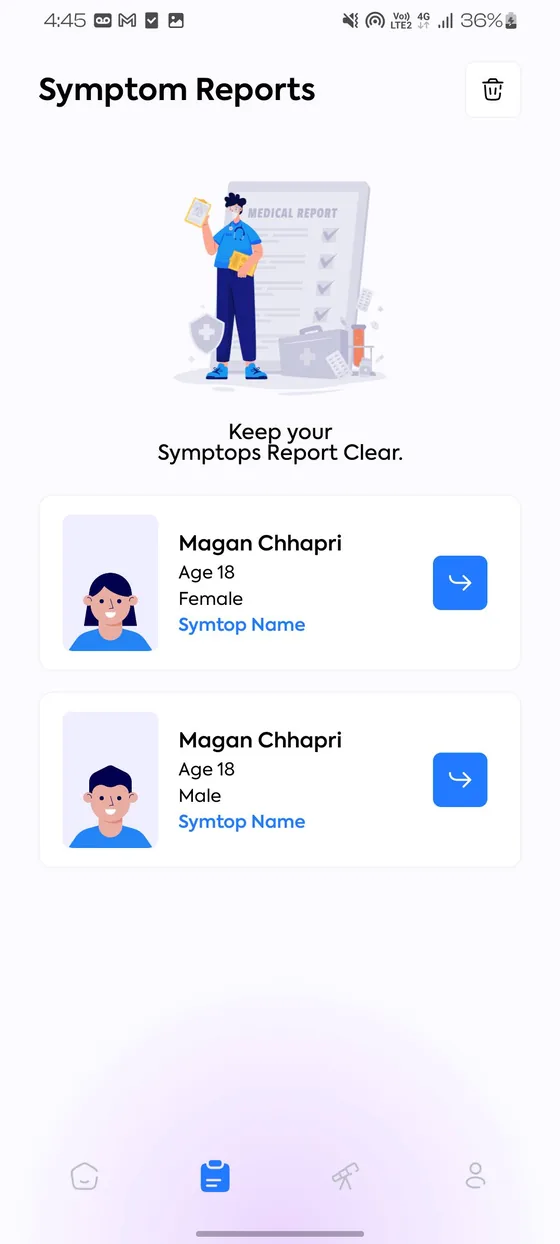
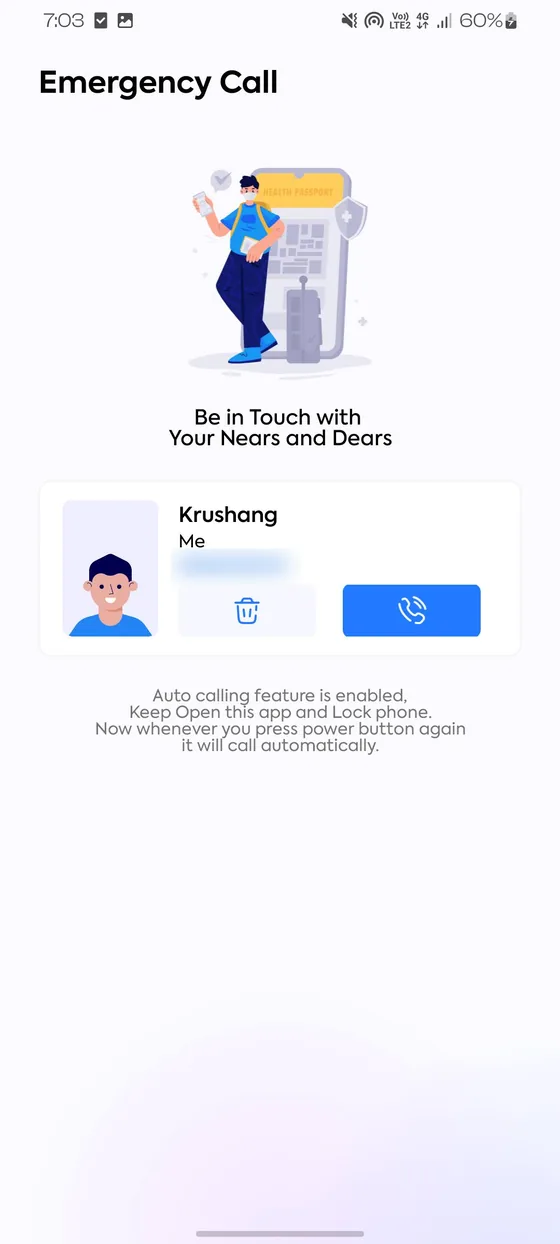
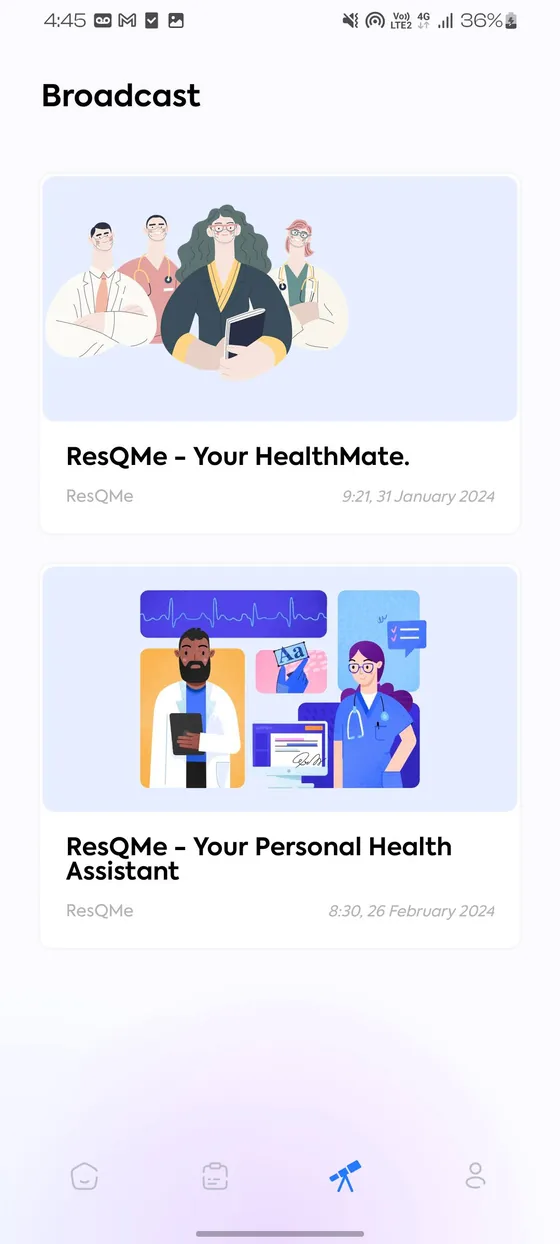
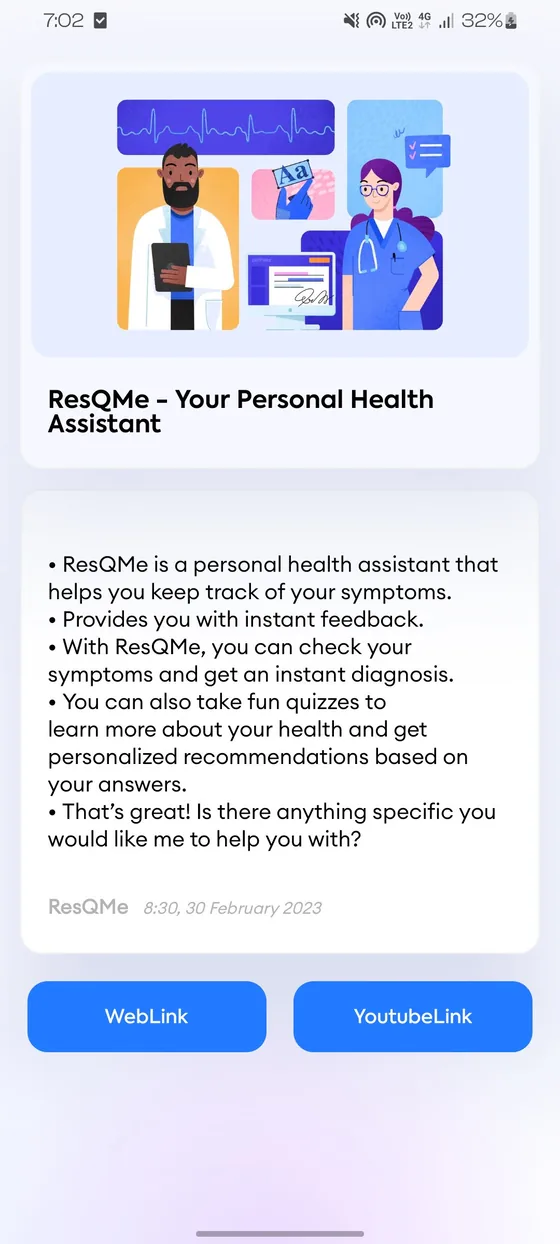
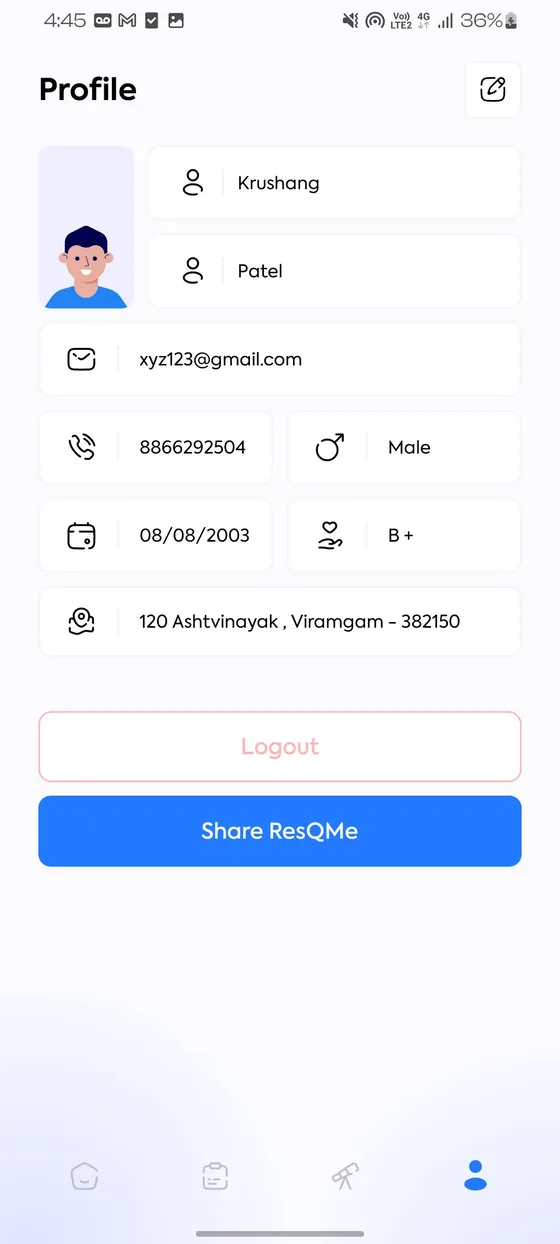
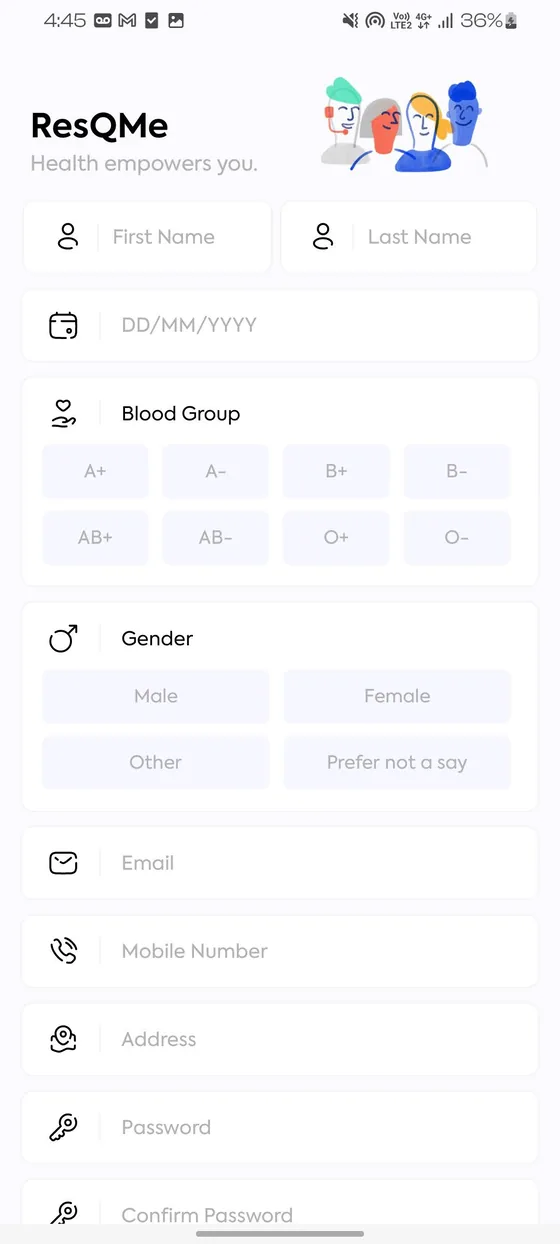
Turning the problem statement into a solution was my part, and so was the design. Harsh took care of the backend.
I did it as well as I could at that age, long before AI could help.
University first
For the first round, we submitted a Git repository and a video, and then we relaxed. We had no hope at all.
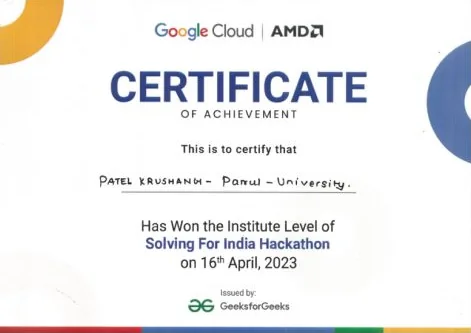
The results came out during the vacation. We were first in the university.
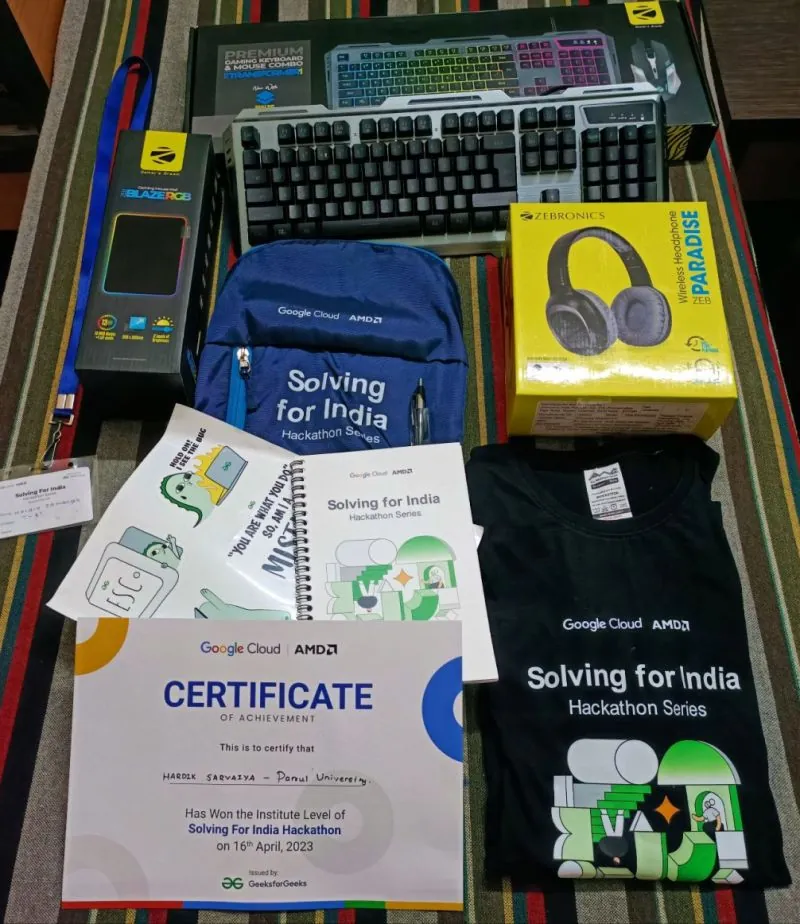
Pune
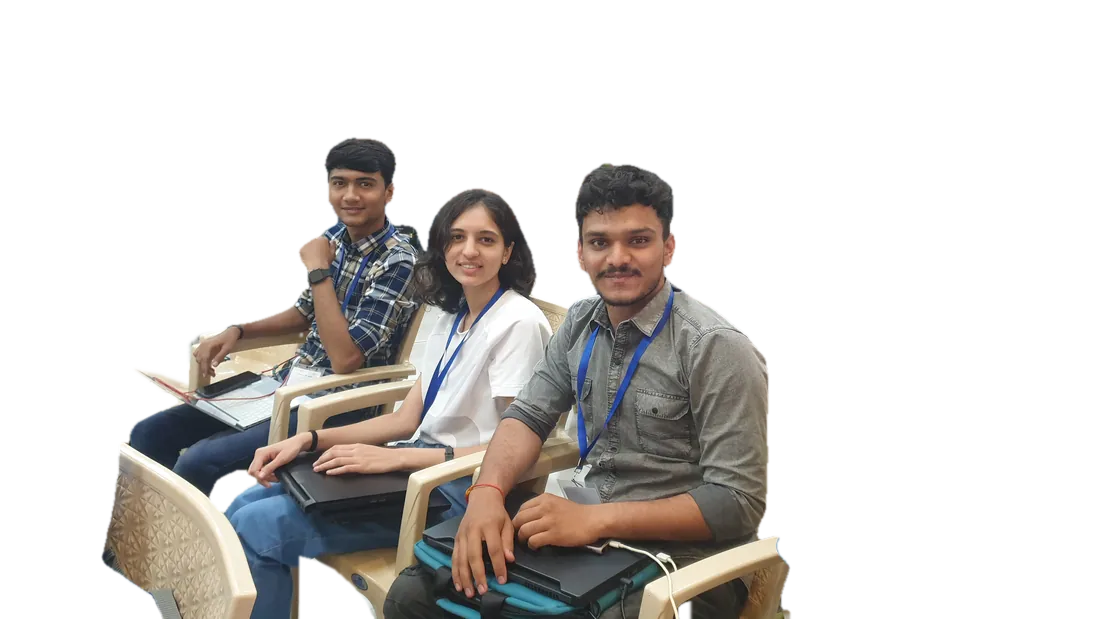
So we went to Pimpri-Chinchwad, in Pune, for the regional round. It was our first hackathon, so we had no real idea what each round would bring: a little excitement, a little curiosity.
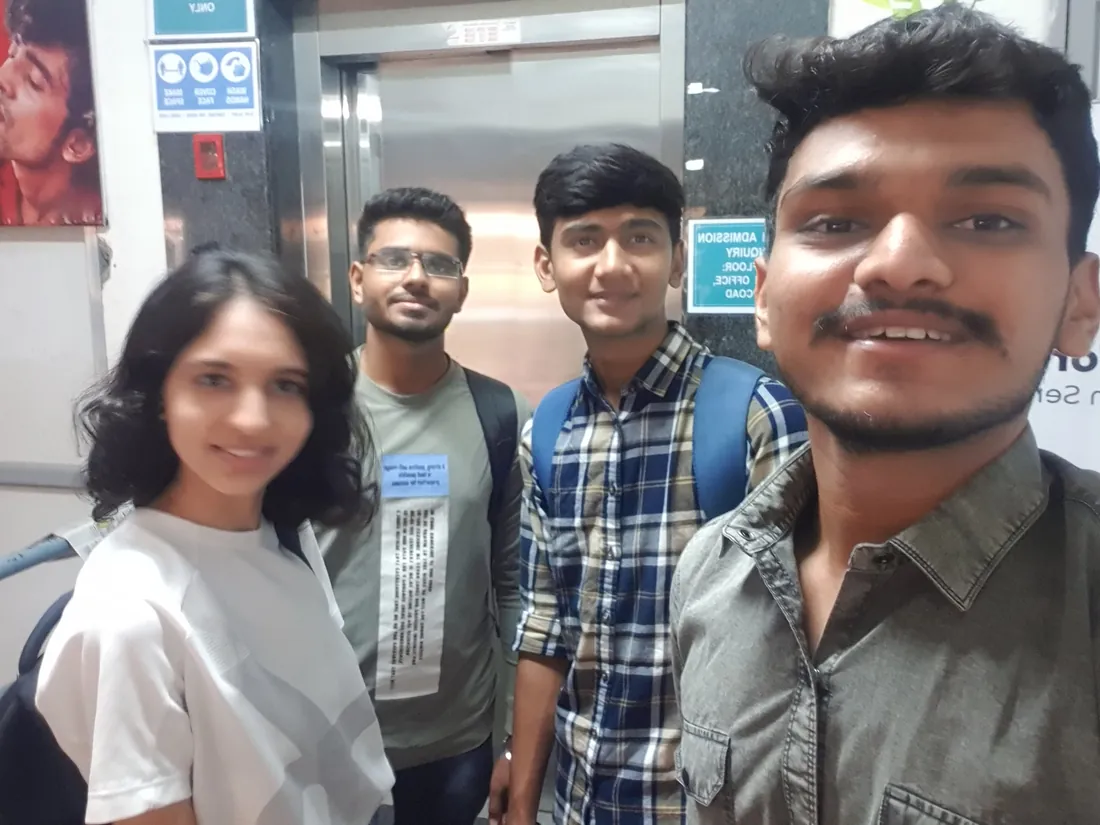

We enjoyed it, and we met a lot of people.
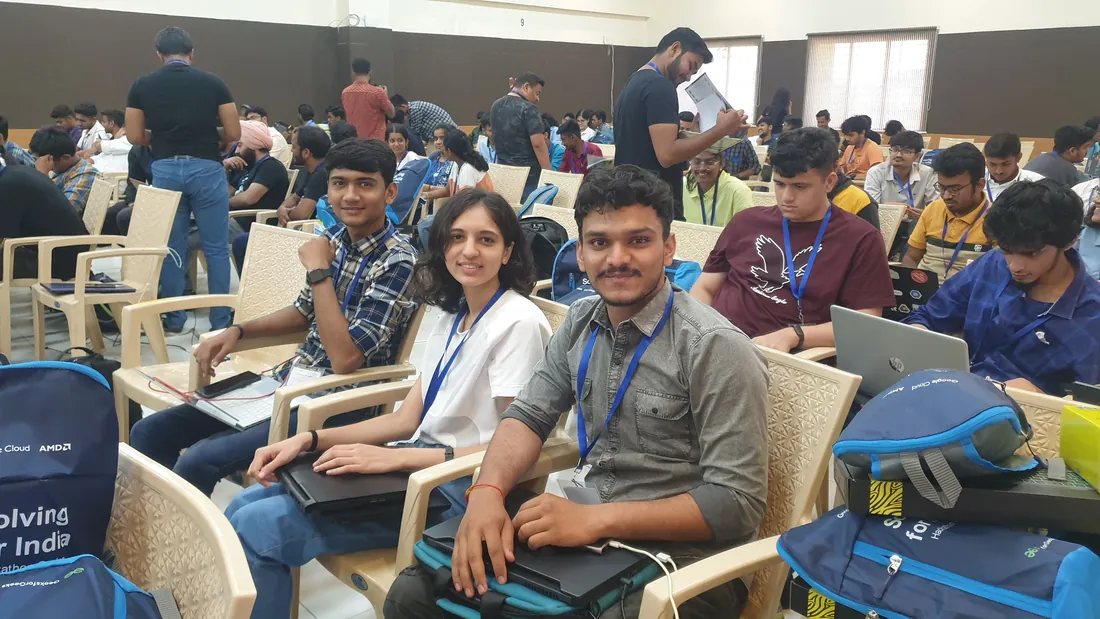
Where we lost
Then we lost, and I know why. It was our communication. We had built something that worked, but we treated the whole hackathon as a technical contest.
Thanks to Prashant Sahatiya sir for his guidance, and to GeeksforGeeks, Google Cloud Community India and AMD for their support.
Next time, we prepared for more than the code.
That next time was the Vadodara Hackathon 4.0.
Footnotes
Firebase is Google's ready-made backend, for data, files and sign-in. ↩